The global market for HPAPIs estimated to reach $42.2 billion by 2034, growing at a CAGR of 6.0% over the forecast period, driven by patent expiry of blockbuster drugs, and growing trends in pharmaceutical outsourcing from developed regions.
- High-potency APIs (HPAPIs) are fast emerging as a lucrative target for API manufacturers. Due to their high potency and small dosage requirements, HPAPIs require highly sophisticated facilities and specialized technical capabilities, thereby making them a niche segment.
- Tapping into niche API segments such as high-potency APIs and biopharmaceuticals are likely to create newer business opportunities during the next five year period.
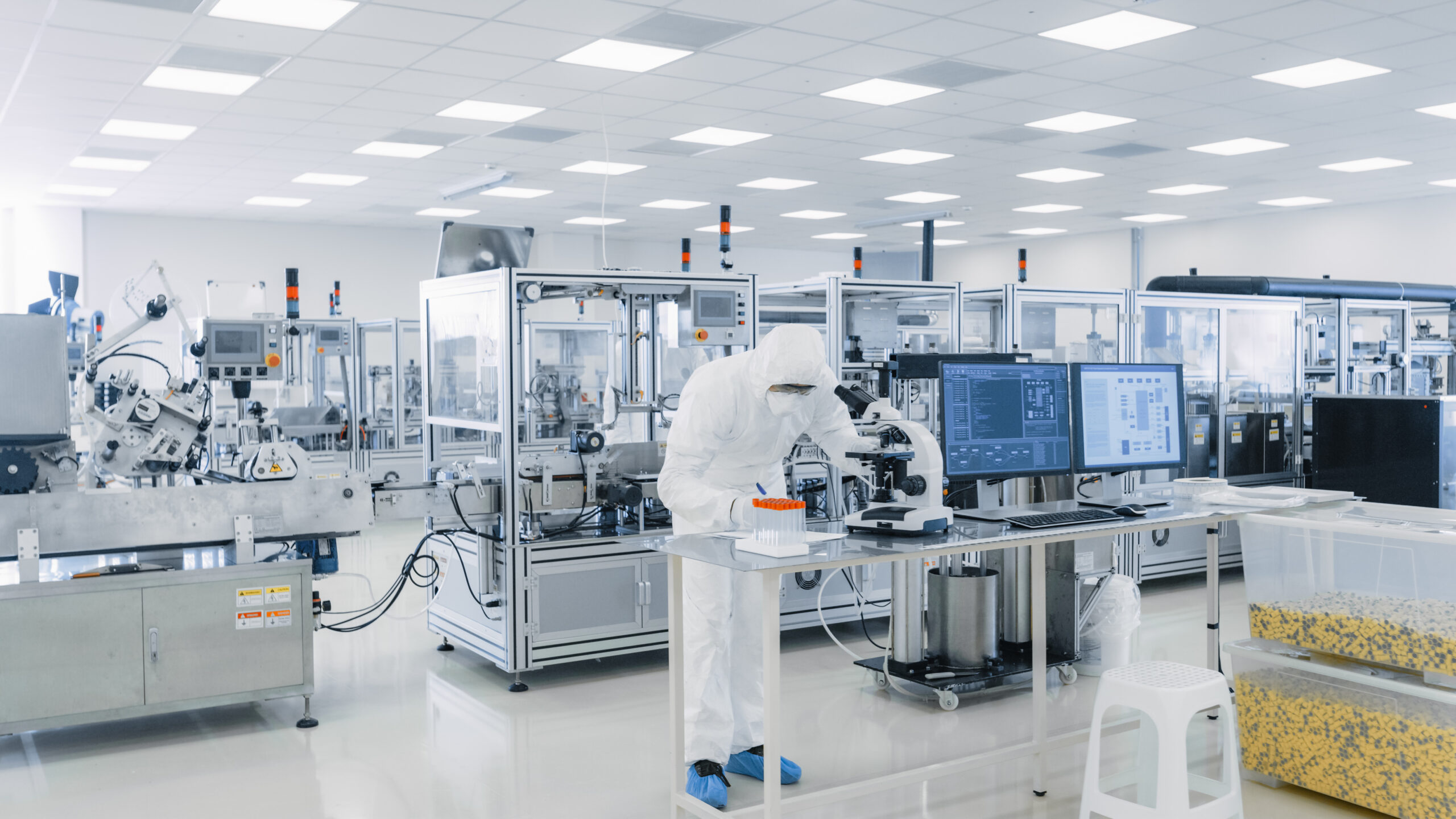
The HPAPIs are classified based on their toxicity, pharmacological potency and occupational exposure limits (OELs). These APIs are frequently characterized by complex structures requiring multi-step processes or semi-synthesis, often involving more than 10 steps.
- A significant proportion of new drugs under development contain high-potency active pharmaceutical ingredients, which is leading to explosive growth in demand for their production, and the new molecules that are proven to be effective at much smaller dosage levels than traditional APIs.
- During the last decade, the demand for HPAPIs has grown rapidly, mainly as a result of advances in clinical pharmacology and oncology research. There is particular interest in HPAPI–antibody conjugate technology, which uses monoclonal antibodies to selectively deliver HPAPIs to specific cancer tumors.
- High-containment manufacturing requires specialized approaches in facility design, equipment selection and manufacturing processes to achieve desired levels of containment, minimize operator exposure, and ensure worker protection and safety.
- During the last decade, the demand for HPAPIs has grown rapidly, mainly as a result of advances in clinical pharmacology and oncology research. There is particular interest in HPAPI–antibody conjugate technology, which uses monoclonal antibodies to selectively deliver HPAPIs to specific cancer tumors.
The global HPAPIs market report estimates the market size ($million 2024 to 2034), market share analysis, growth trends and forecast (CAGR% 2026 to 2034).
The global market for highly potent active pharmaceutical ingredients segmented by the API (biological, chemical), drug (branded, generic, OTC), manufacturing (in-house, outsourcing or contact-based), therapeutic area (diabetes, cardiovascular, CNS, oncology, musculoskeletal drugs), and geography.
- The global market for highly potent active pharmaceutical ingredients is currently on a growth fast track, largely driven by its major use in oncology for cancer treatment and more often in the form of antibody-drug conjugates (ADCs). Over a quarter of drugs worldwide now contain HPAPIs, as they have proven to be more effective than other APIs.
- Highly potent active pharmaceutical ingredients represent a significant change in the way pharmaceutical innovators are using small molecules to deliver new patient therapies.
- This shift toward highly potent APIs has not only led to a pipeline of more effective medicines that require lower doses and lead to fewer side effects, but also to new manufacturing challenges.
- Therefore, working with APIs high in potency and cytotoxicity comes with many regulations and requirements, and presents pharmaceutical companies with challenges such as handling, containment, cost and security concerns.
- This shift toward highly potent APIs has not only led to a pipeline of more effective medicines that require lower doses and lead to fewer side effects, but also to new manufacturing challenges.
- Highly potent active pharmaceutical ingredients represent a significant change in the way pharmaceutical innovators are using small molecules to deliver new patient therapies.
- Many contract manufacturers are also building new facilities that are designed specifically for the manufacture of HPAPIs, which require an investment of millions of dollars beyond typical GMP (good manufacturing practices) production facilities.
- This investment may include specialized facilities for HPAPI–antibody conjugations that incorporate both potent-compound handling and biologics processing capabilities.
The global high potency active pharmaceutical ingredients market research report is further segmented by geography into North America (U.S., Canada), Europe (U.K., Germany, France, Italy, Spain, Rest of EU), Asia Pacific (Japan, China, India, Rest of APAC), Latin America (Brazil, Mexico, Rest of LA), and Rest of the World.
- In terms of geography, the North America and Europe regions dominated the market, accounting for the largest share of total high-potency APIs market.
- High demand for biological APIs, technological advancement in the pharmaceutical industry, and large number of manufacturing facilities are major factors driving the market growth in these regions.
- Several leading API manufacturers, particularly those in the Asia Pacific region are taking measures to improve equipment utilization, product yield, reduce process time and harmful emissions and increase reuse and recycling.
- High demand for biological APIs, technological advancement in the pharmaceutical industry, and large number of manufacturing facilities are major factors driving the market growth in these regions.
- However, the Asia Pacific region projected to emerge rapidly, driven by increasing share in contract manufacturing (CMOs) and contract research organizations (CROs).
- Lower cost, US-FDA approved manufacturing plants, and favorable foreign policies have created lucrative opportunities for outsourcing businesses.
- Similarly, the countries in Latin America are becoming an important destination for pharmaceutical contract manufacturing.
- Lower cost, US-FDA approved manufacturing plants, and favorable foreign policies have created lucrative opportunities for outsourcing businesses.
The global HPAPIs market report also provides the detailed market landscape, market drivers, restraints, opportunities), market attractiveness analysis and profiles of major competitors in the global market including company overview, financial snapshot, key products, technologies and services offered, and recent developments.
Major competitors operating in the global market for HPAPIs and included in this report are Albany Molecular Research Inc. (AMRI), Alkermes, AMPAC Fine Chemicals (AFC), Baxter Oncology, Cambrex Corporation / Cambrex Ferro, Dr. Reddy’s Laboratories , Lonza Group, Novasep, Novatis AG (Sandoz International GmbH), Pfizer, Inc., Piramal Pharma Solutions, SAFC / Sigma-Aldrich Co. LLC, Teva Pharmaceuticals (TAPI- Teva API), and WuXi AppTec.
- Active Pharmaceutical Ingredient (API)Product
- Biological API
- Chemical API
- Drug
- Branded (Innovative) Prescription Drugs
- Generic Prescription Drugs
- Manufacturing
- Contract or Outsourcing Manufacturing
- Captive (In-House) Manufacturing
- Therapeutic Application
- Anti-diabetic Drugs
- Cardiovascular Drugs
- Central Nervous System Drugs
- Musculoskeletal Drugs
- Oncology Drugs
- Others (Antibacterial, Antiviral, Antifungal, etc.)
- Company Profiles
- Albany Molecular Research Inc. (AMRI)
- Alkermes plc
- AMPAC Fine Chemicals (AFC)
- Baxter Oncology
- Cambrex Corporation/Cambrex Ferro
- Dr. Reddy’s Laboratories
- Lonza Group
- Novasep
- Novatis AG (Sandoz International GmbH)
- Pfizer Inc.
- Piramal Pharma Solutions
- SAFC/Sigma-Aldrich Co. LLC
- Teva Pharmaceuticals (TAPI- Teva API)
- WuXi AppTec
To request Table of Contents and Sample Pages of this report visit: https://www.ihealthcareanalyst.com/report/high-potency-active-pharmaceutical-ingredient-market/
Related publications: